(Scroll down to explore)
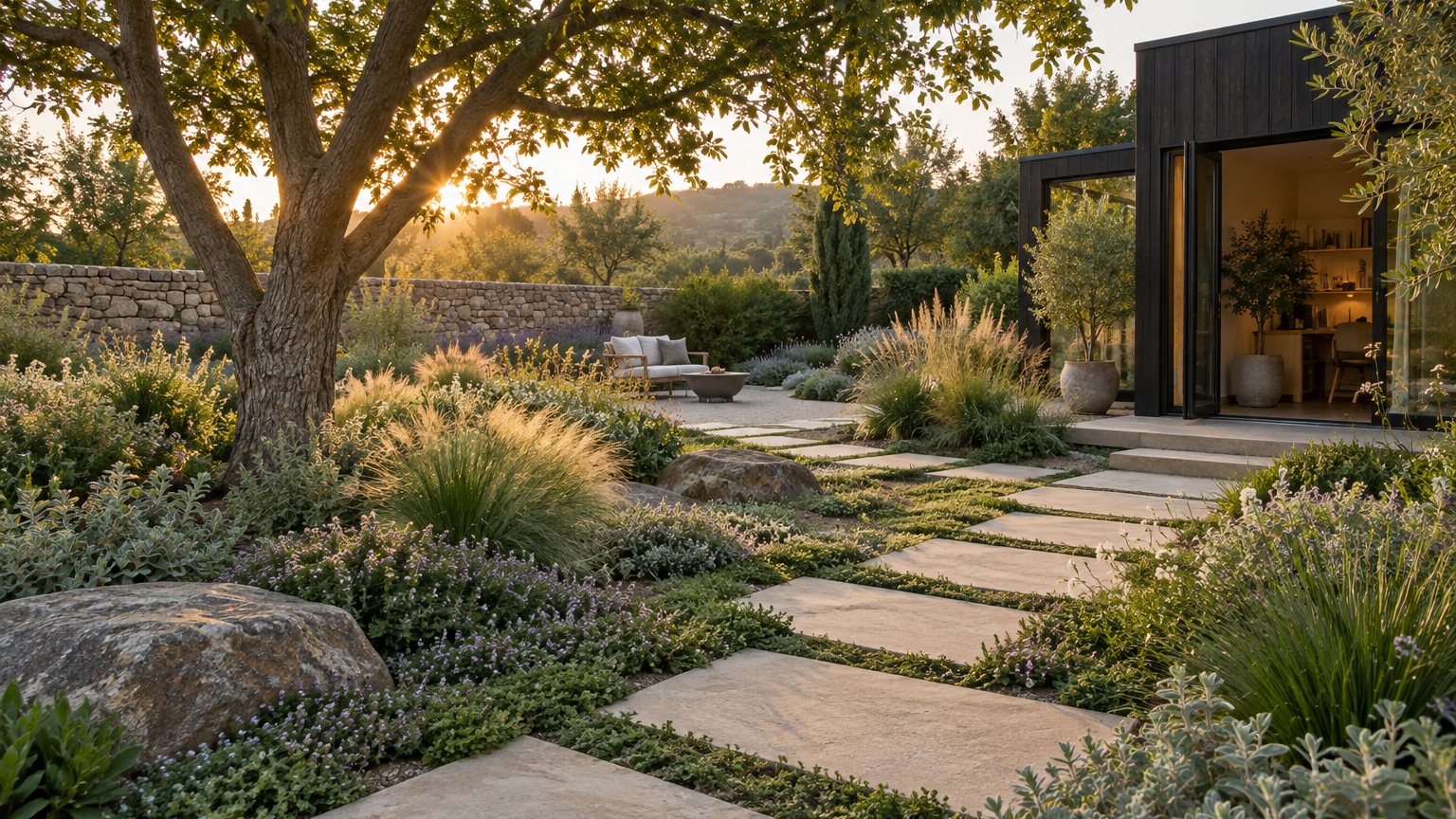
A garden begins with listening to the people who use it and noticing what the site already offers. A sunny corner may suit a terrace; a sheltered boundary may be better left as a quiet place for planting. Paths connect these spaces without making every journey feel prescribed. Stone, timber, foliage and water each contribute a different texture, and the strongest designs let those materials work together. Practical questions belong in the same conversation as visual ideas.
Client
Private Investor
Project Type
Private Garden
Location
Starynka
Documentation Delivery Deadline
03.08.2021
Project Deadline
2022-2023
Project Area
822 m²
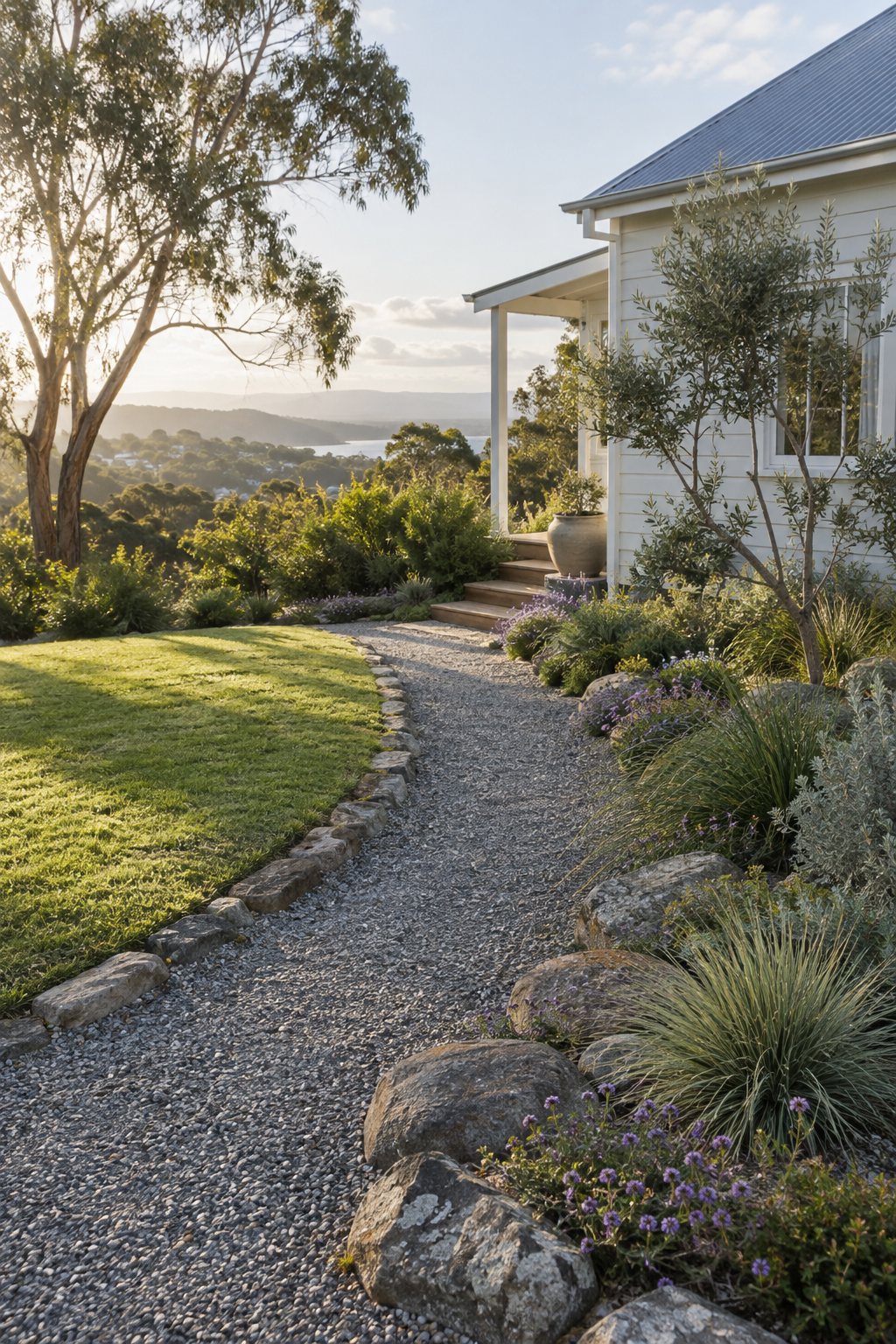
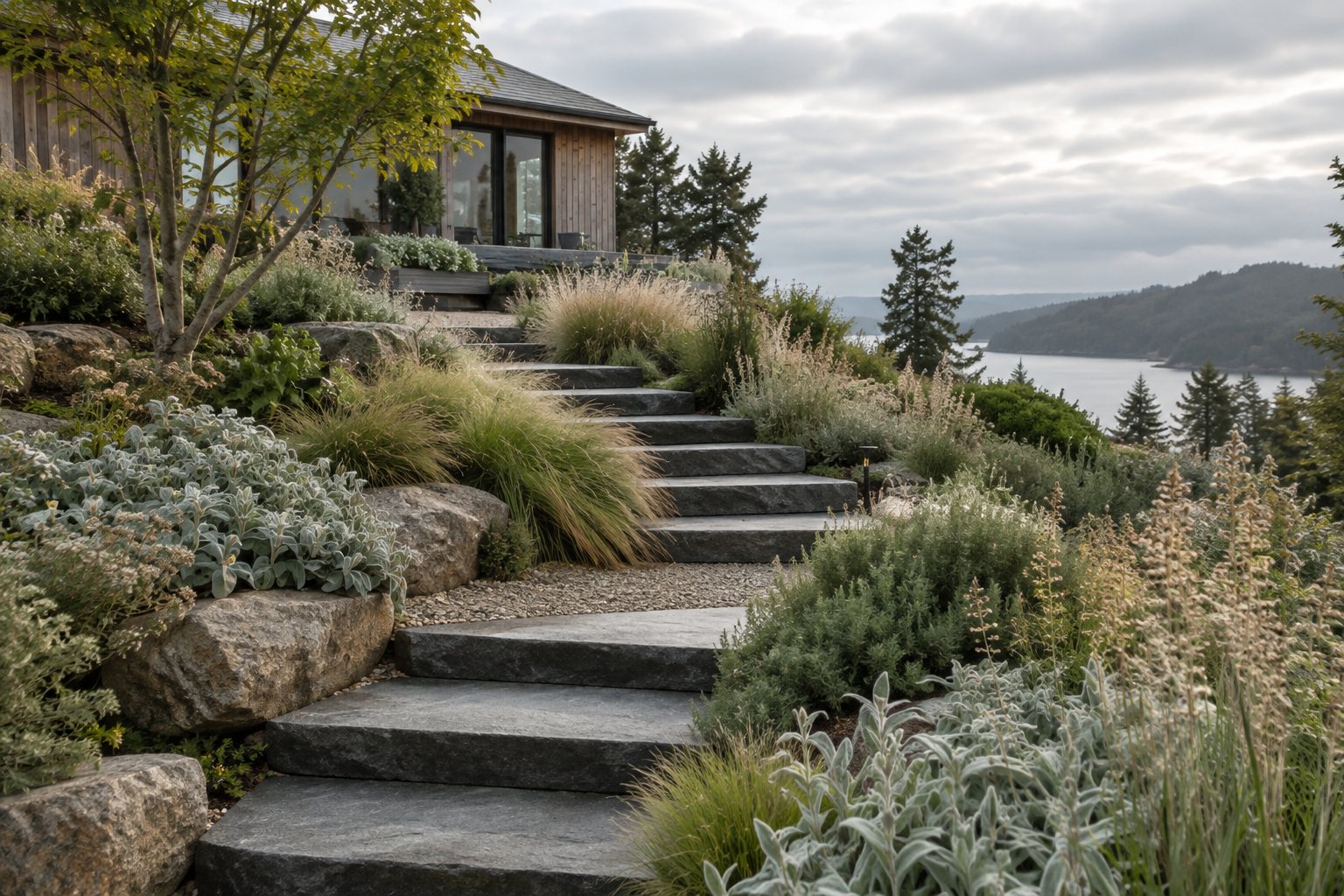
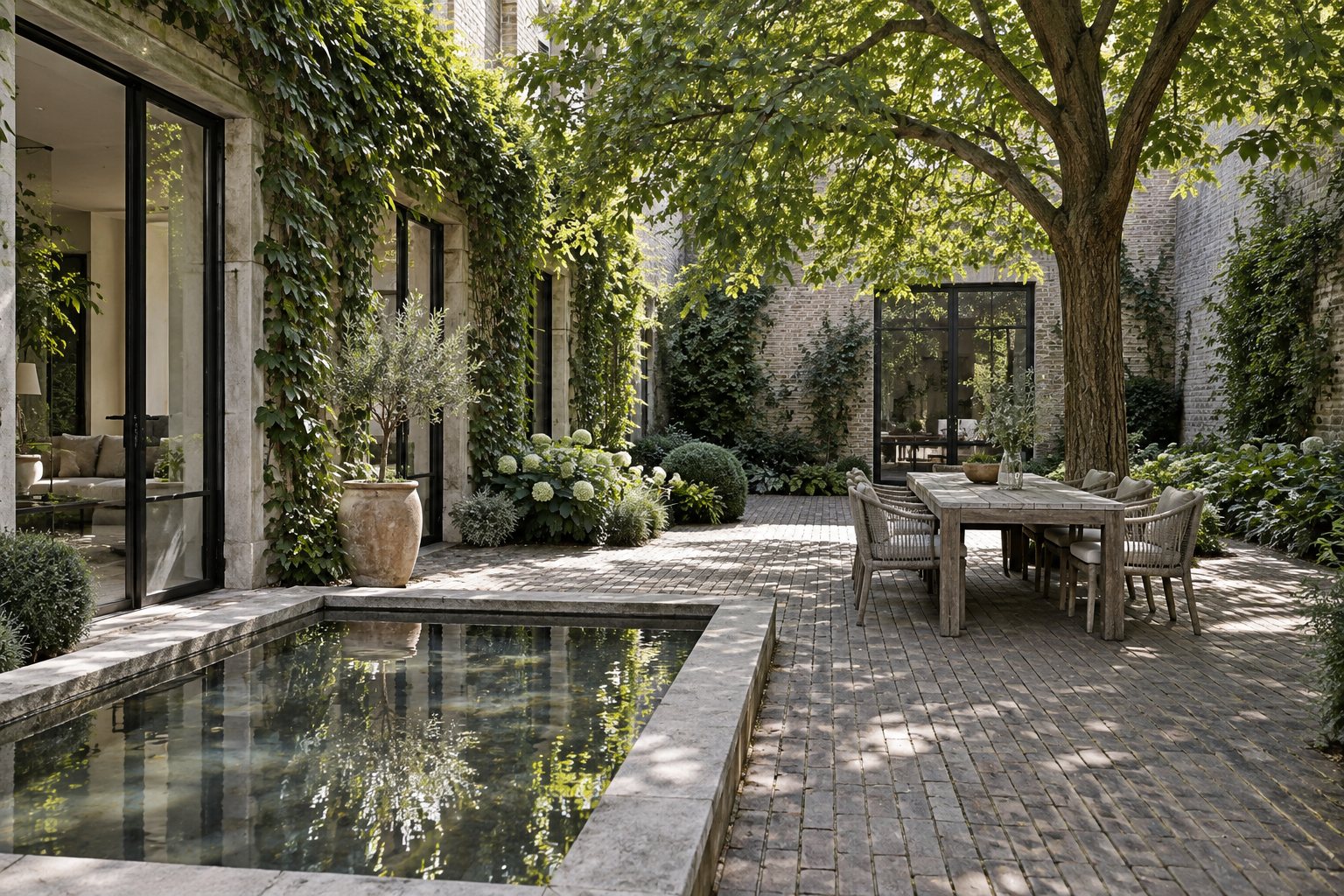
Thoughtful outdoor spaces take time to develop. Trees find their shape, paths become familiar and planting changes the balance between open ground and shelter. A concept can anticipate that growth while leaving room for the unexpected.
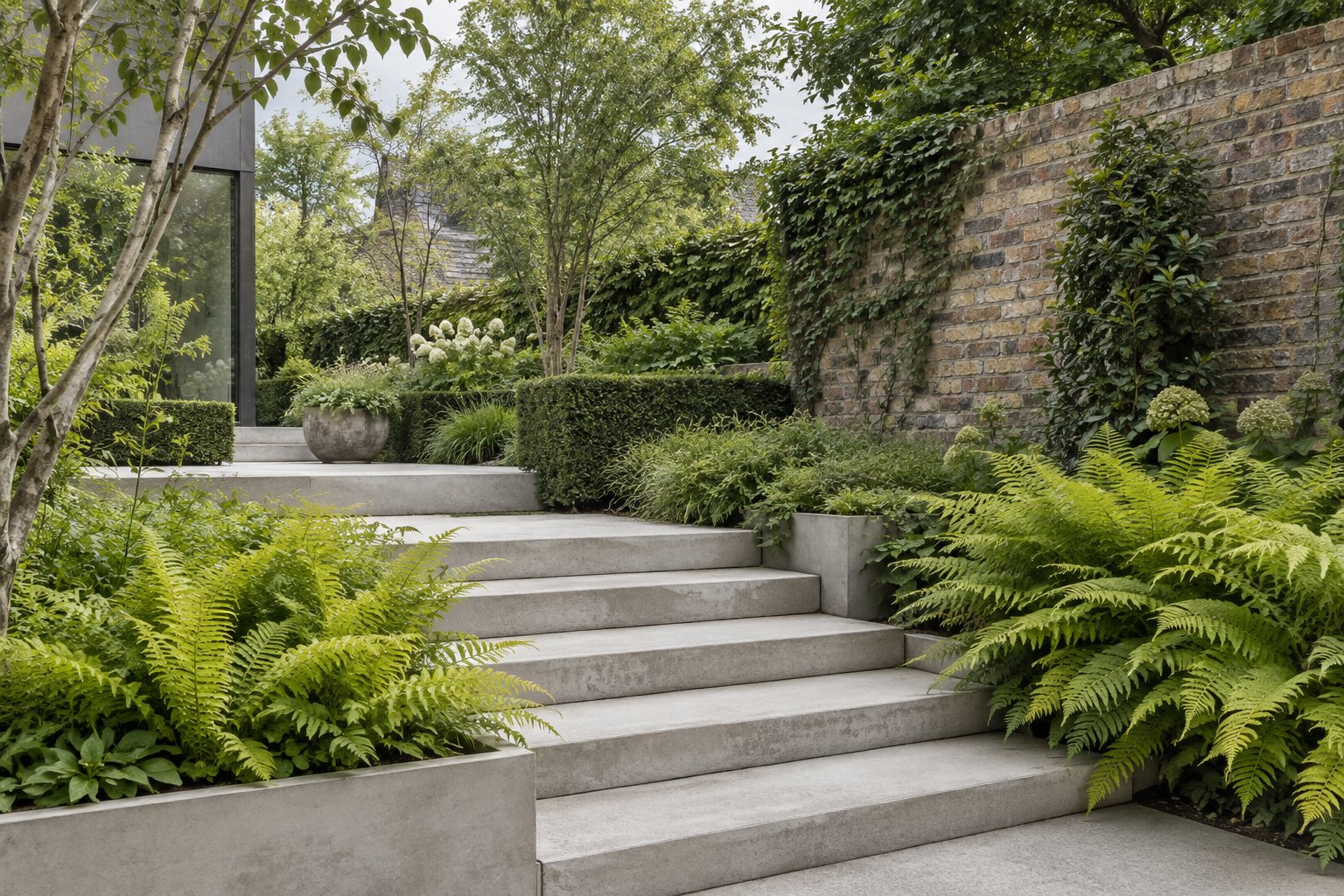
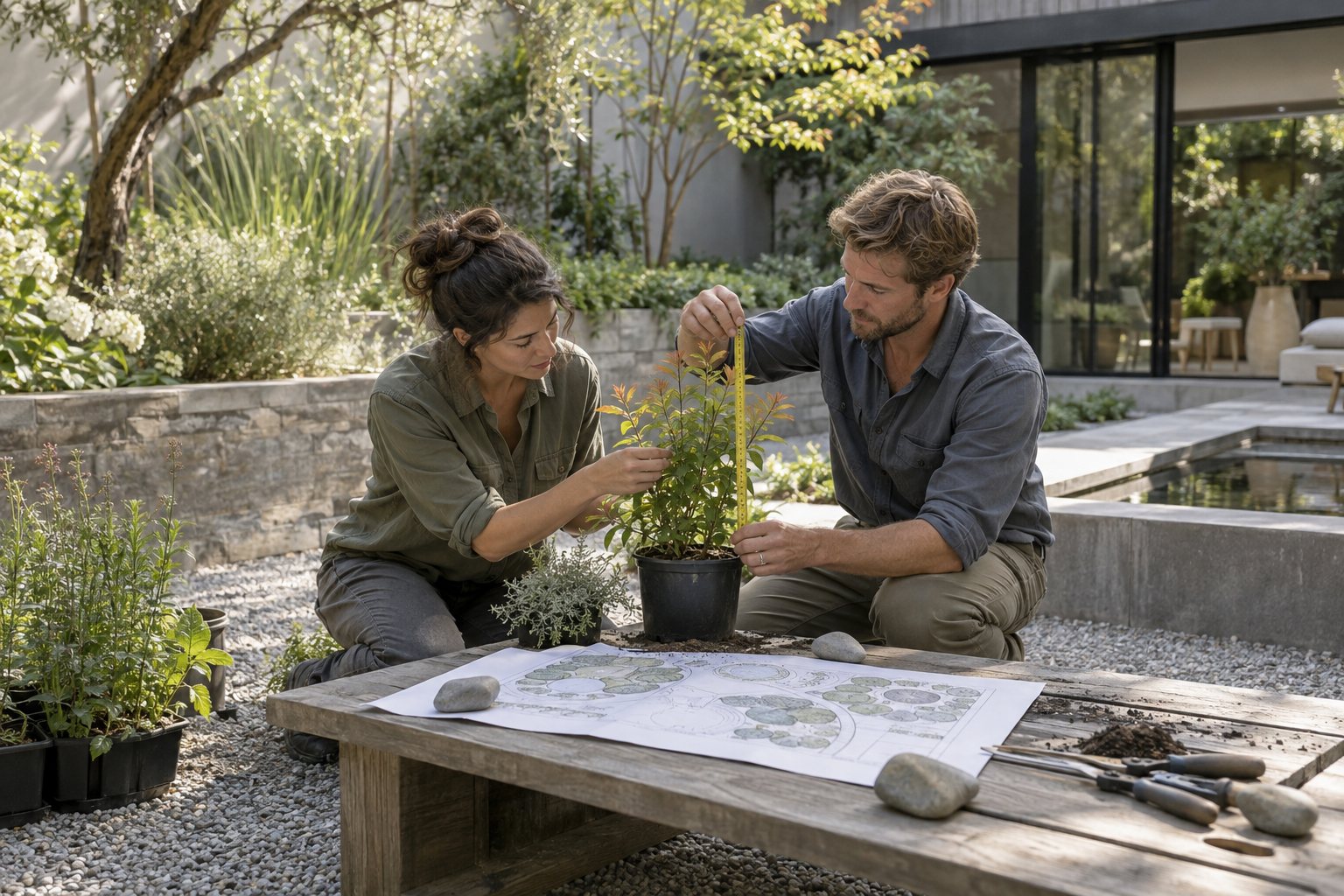
Every project starts with a clear conversation about the site and the way it could be used. Light, movement, maintenance and materials inform a plan that gives each part of the garden a useful place in the whole.
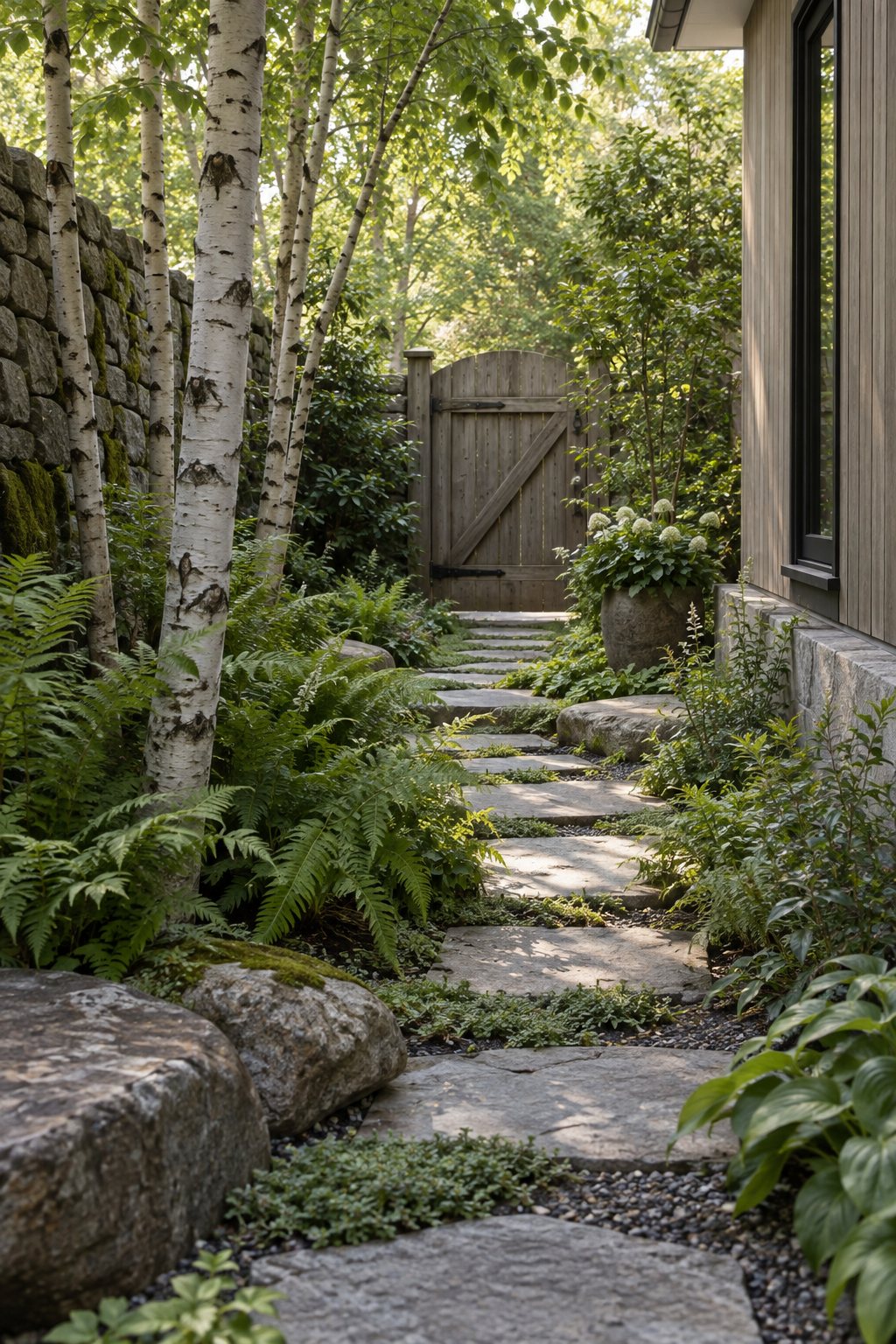
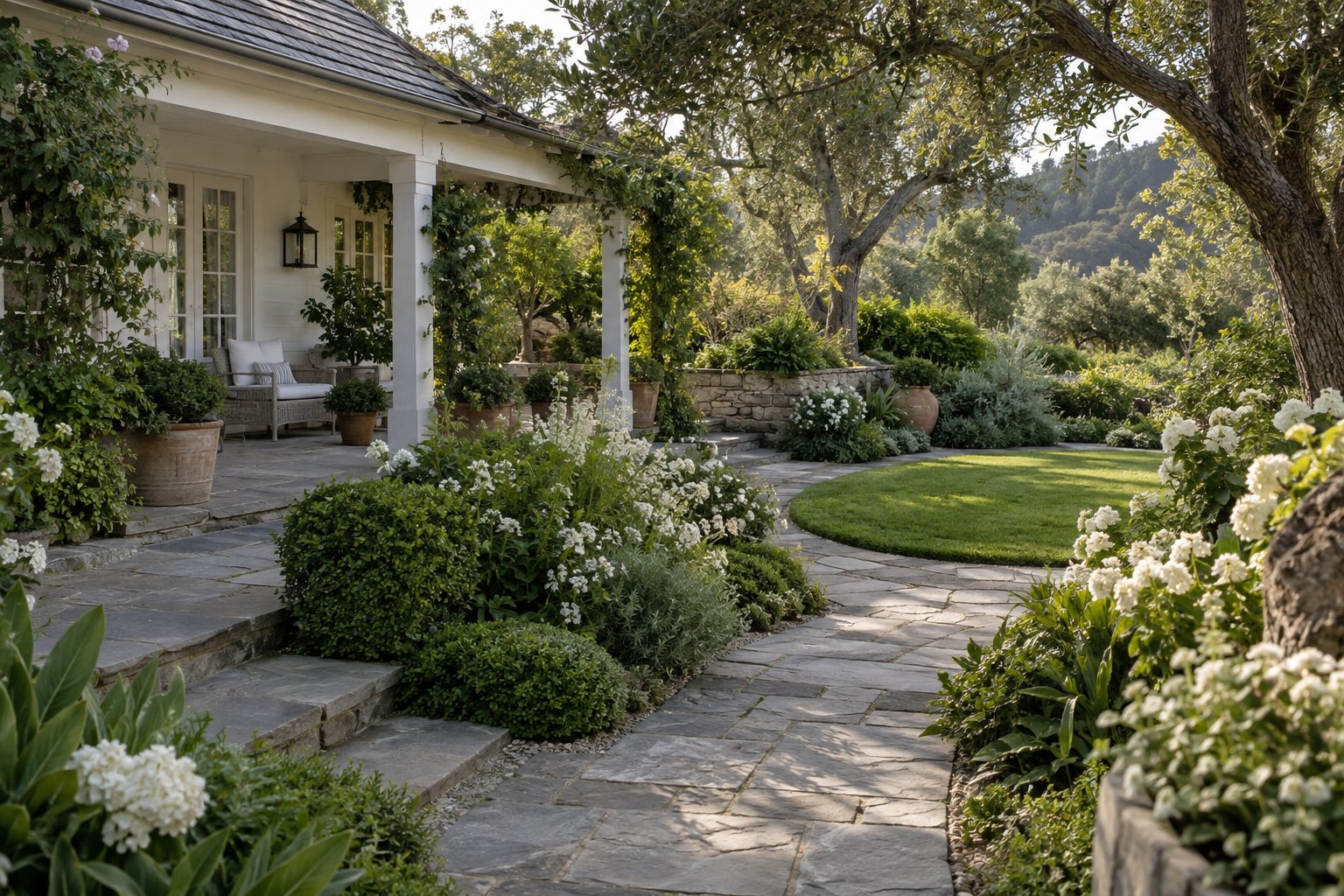
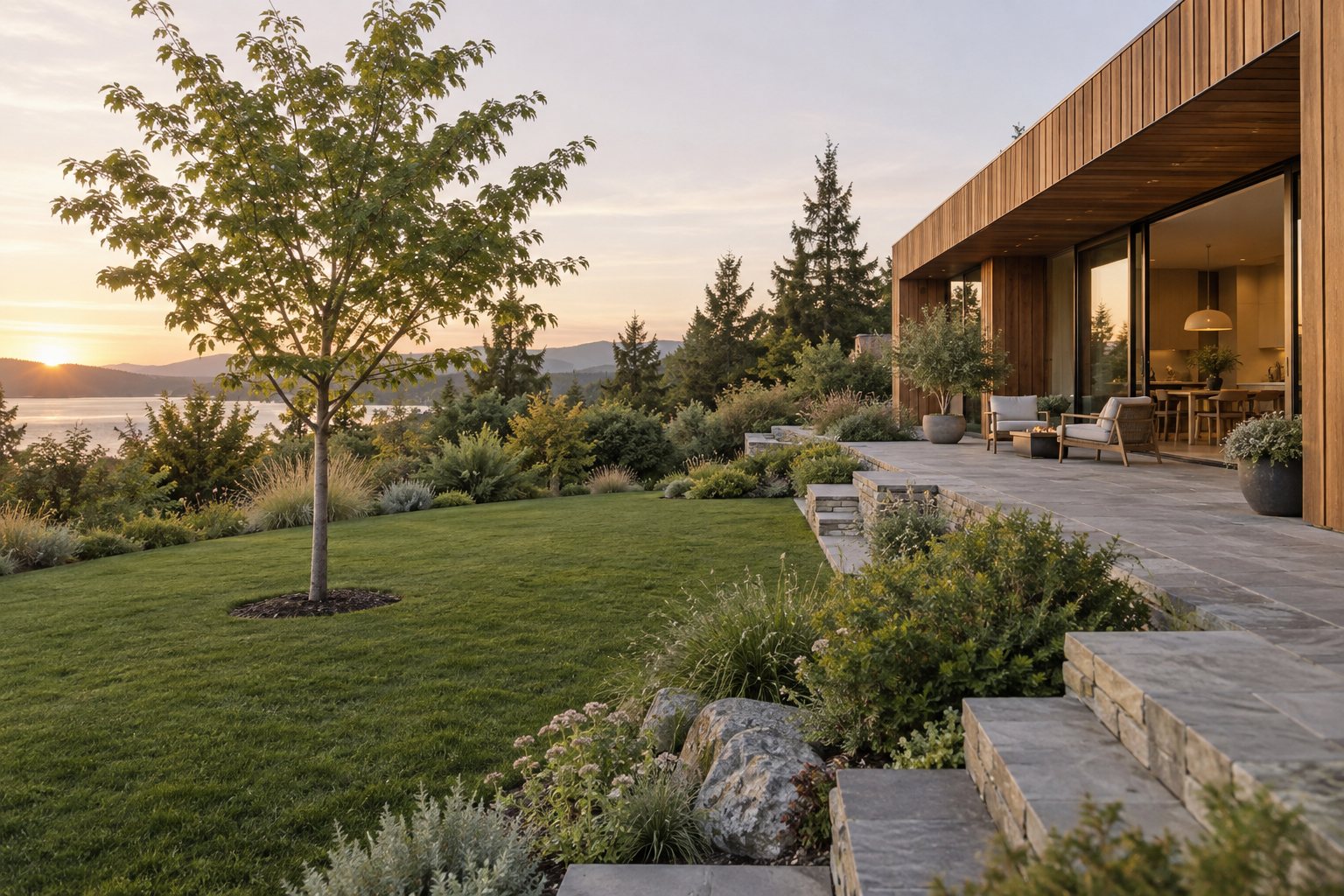

From an initial sketch to a detailed planting plan, a design develops through considered steps. The first drawings test the arrangement of spaces and the routes between them. Later studies explore materials, planting character and the small details that make a garden comfortable to use. Reviewing these decisions together helps reveal awkward corners before construction begins.
A garden begins with listening to the people who use it and noticing what the site already offers. A sunny corner may suit a terrace; a sheltered boundary may be better left as a quiet place for planting. Paths connect these spaces without making every journey feel prescribed. Stone, timber, foliage and water each contribute a different texture, and the strongest designs let those materials work together.
Thoughtful outdoor spaces take time to develop. Trees find their shape, paths become familiar and planting changes the balance between open ground and shelter. A concept can anticipate that growth while leaving room for the unexpected. Here, a small number of materials gives the garden a clear structure. Broad planted areas soften the edges, and seats are placed where people can pause without interrupting circulation.
Every project starts with a clear conversation about the site and the way it could be used. Light, movement, maintenance and materials inform a plan that gives each part of the garden a useful place in the whole. Existing trees can provide a starting point, while a change in level may suggest a terrace or a planted slope.
From an initial sketch to a detailed planting plan, a design develops through considered steps. The first drawings test the arrangement of spaces and the routes between them. Later studies explore materials, planting character and the small details that make a garden comfortable to use. Reviewing these decisions together helps reveal awkward corners before construction begins.
A garden begins with listening to the people who use it and noticing what the site already offers. A sunny corner may suit a terrace; a sheltered boundary may be better left as a quiet place for planting.
Thoughtful outdoor spaces take time to develop. Trees find their shape, paths become familiar and planting changes the balance between open ground and shelter. A concept can anticipate that growth while leaving room for the unexpected.
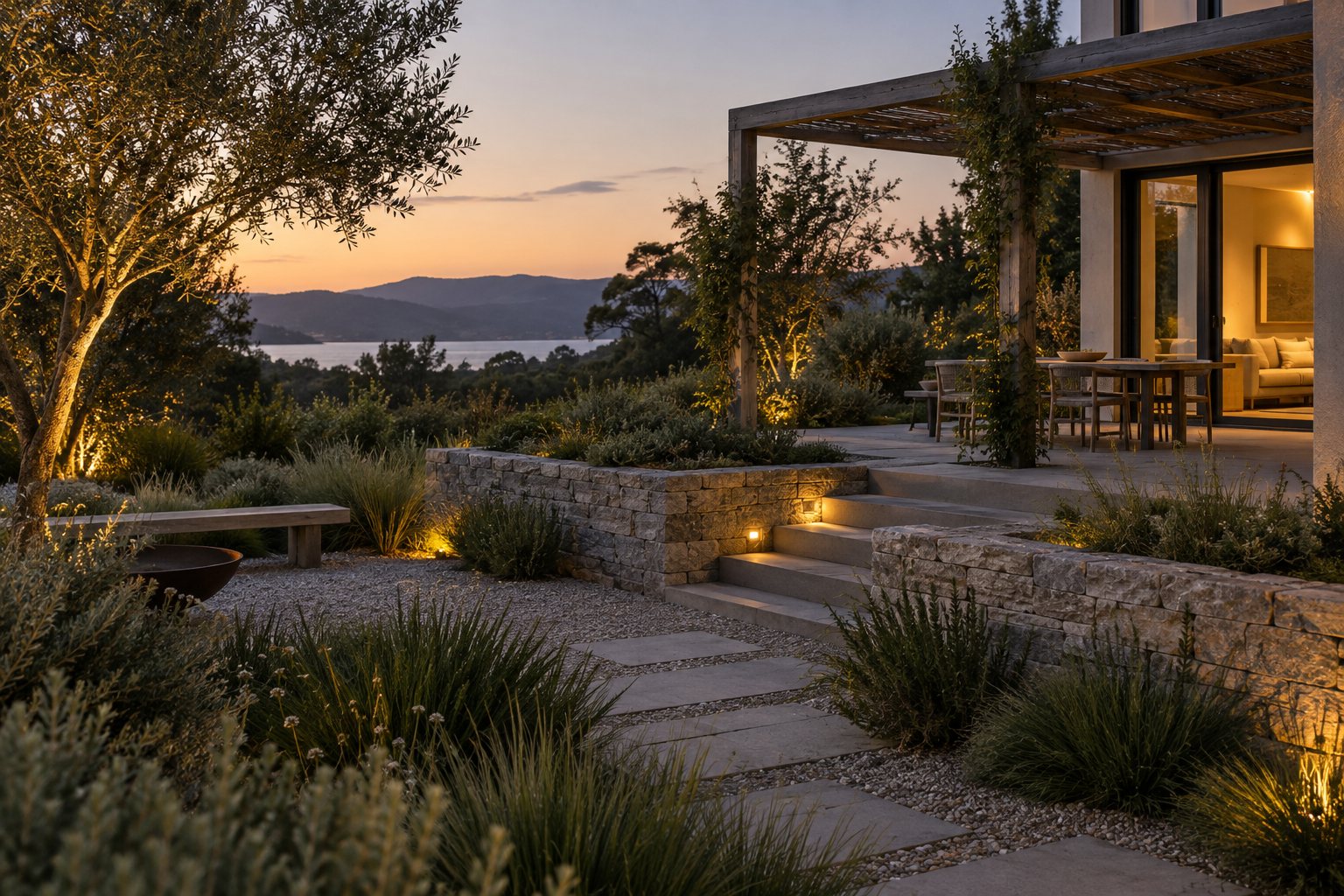
Every project starts with a clear conversation about the site and the way it could be used. Light, movement, maintenance and materials inform a plan that gives each part of the garden a useful place in the whole. Existing trees can provide a starting point, while a change in level may suggest a terrace or a planted slope. The proposal brings those observations together before choosing individual plants.

Contact details added after onboarding
Independent design study
Agency Desk template
© 2026 Rowan Landscape Studio
Illustrative study: the design team
Let's Work Together!
Explore a garden concept with the demonstration form below. Your details stay on this page. Use the tabs to review the two layouts.